
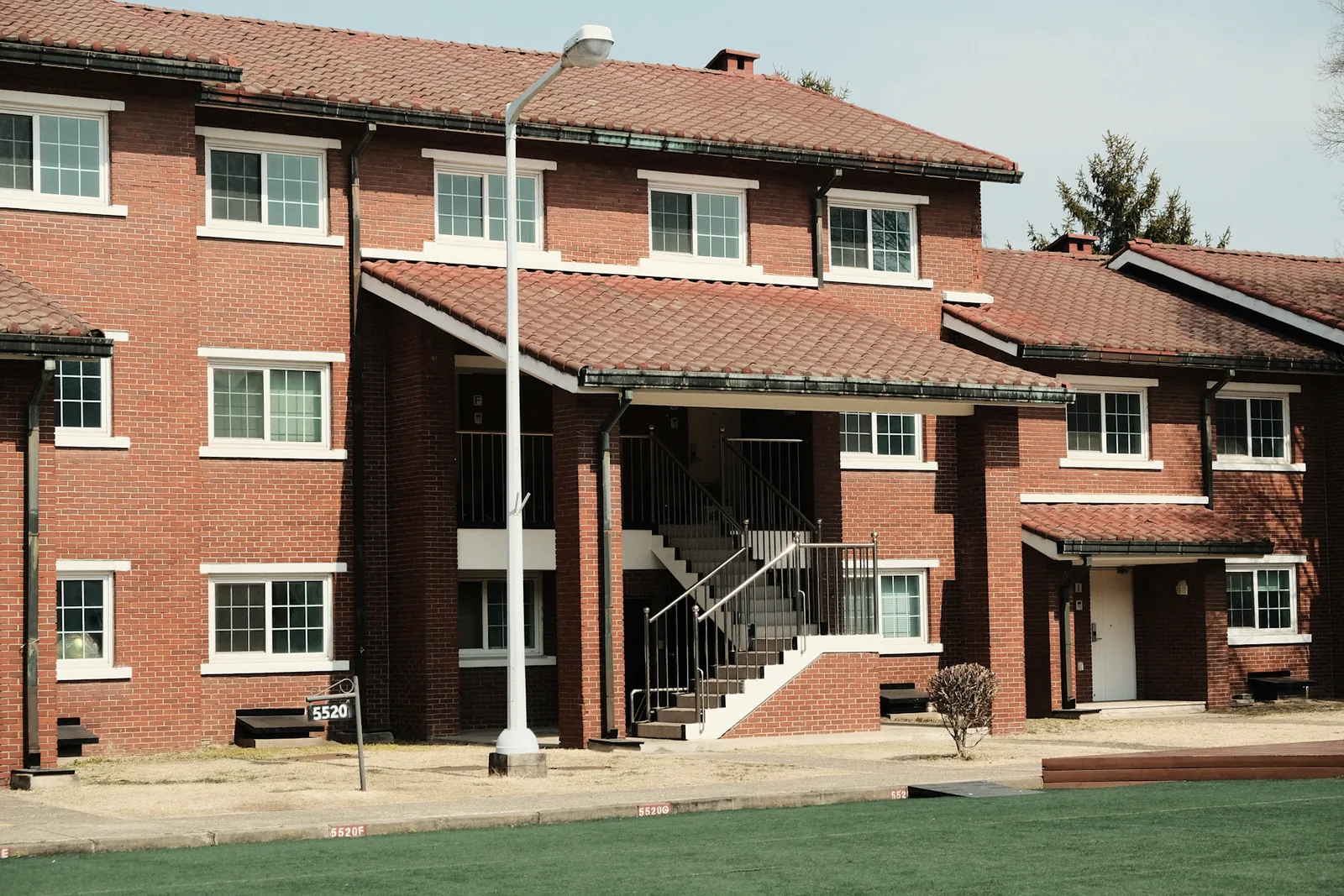
Prepare the inspection header
Record the property and unit, inspection date and time, participants and when possession begins. Identify whether the report was prepared before belongings arrived or after occupation. Keep a copy of any earlier repair list for comparison.
Arrange access lawfully. Once the tenancy has begun, an agreed inspection plan does not replace a valid entry notice or an applicable exception. Invite comments without making participation a condition of keeping statutory rights.
Work through each room and included item
| Area | Record |
|---|---|
| Walls, ceilings and floors | Surface condition, locations of marks, cracks, stains and existing damage. |
| Doors and windows | Visible condition and the operation actually checked; note inaccessible parts. |
| Kitchen and bathroom | Fixtures, visible leaks, surfaces and included appliances, with test limitations. |
| Other included areas | Storage, balcony, parking or furnishings actually included in the tenancy. |
A visual inspection is not a concealed-condition, electrical or building-code certification. Refer concerns requiring specialist assessment rather than labelling them compliant.
Use a consistent entry for every finding
For each item, use: location; observed condition; photograph reference; whether tested; tenant comment; and follow-up required. Write “not tested” or “not accessible” where appropriate instead of allowing a blank to imply satisfactory condition.
Describe the observation precisely. “Chip at the front-left counter edge” is more useful than “kitchen damaged.” Avoid attributing a cause that was not established.
Make photographs traceable
Before taking interior photographs of an occupied rental unit, explain the purpose, intended use and disclosure, and obtain the tenant’s consent. A valid entry notice is not consent to photograph personal information. Any claimed statutory exception requires a specific legal basis. Take a wider view to locate a defect and a closer view to show it when needed. Label images to match the checklist and retain original files. There is no prescribed photo count in this checklist, and more images do not necessarily provide better evidence.
Explain the collection purpose and avoid unnecessary personal information. A condition file is not a general permission to publish tenant belongings or people.
Create a separate action list
Move unresolved defects into a list showing the issue, next step, responsible contact and status. Urgent concerns need appropriate attention; signing a condition report does not accept disrepair or waive the landlord’s maintenance obligation.
When work is completed, add a dated update and supporting record. Preserve the original finding so the history remains understandable.
Share and retain the completed record
Provide a copy and a way to identify omissions. Record what a signature acknowledges and retain any disagreement. A missing signature does not justify inventing consent.
At move-out, use the checklist as one source of comparison, with age, ordinary wear and evidence of cause. It does not authorize damage deductions from the final-rent deposit or guarantee recovery at the LTB.
Ready to Discuss Your Portfolio?
Discuss your property, the records available and the management responsibilities you want help with. Confirm the service scope before making a commitment.
Request Assessment (519) 501-5003Key Takeaways
- Use location, condition, test limits, photo reference and follow-up fields.
- Record unresolved repairs separately and verify completion.
- A checklist supports comparison but does not create deposit rights.
- Discuss the scope of management support: contact D&D Property Management.
Sources & References
- LTB: Guide to the Residential Tenancies Act
- LTB Guideline 19: Entry to a rental unit
- LTB Guideline 5: Maintenance obligations
- Privacy Commissioner: Landlord and tenant privacy
- LTB: Practice Direction on Evidence
Official guidance checked September 8, 2026. The application steps in this article are practical record-keeping suggestions; individual legal disputes require advice on their facts.

Include a preferred date and time
Discuss property management
Describe the property type and the management responsibilities you want to discuss.
Prefer to send the details first? Request a quote or call (519) 501-5003.