
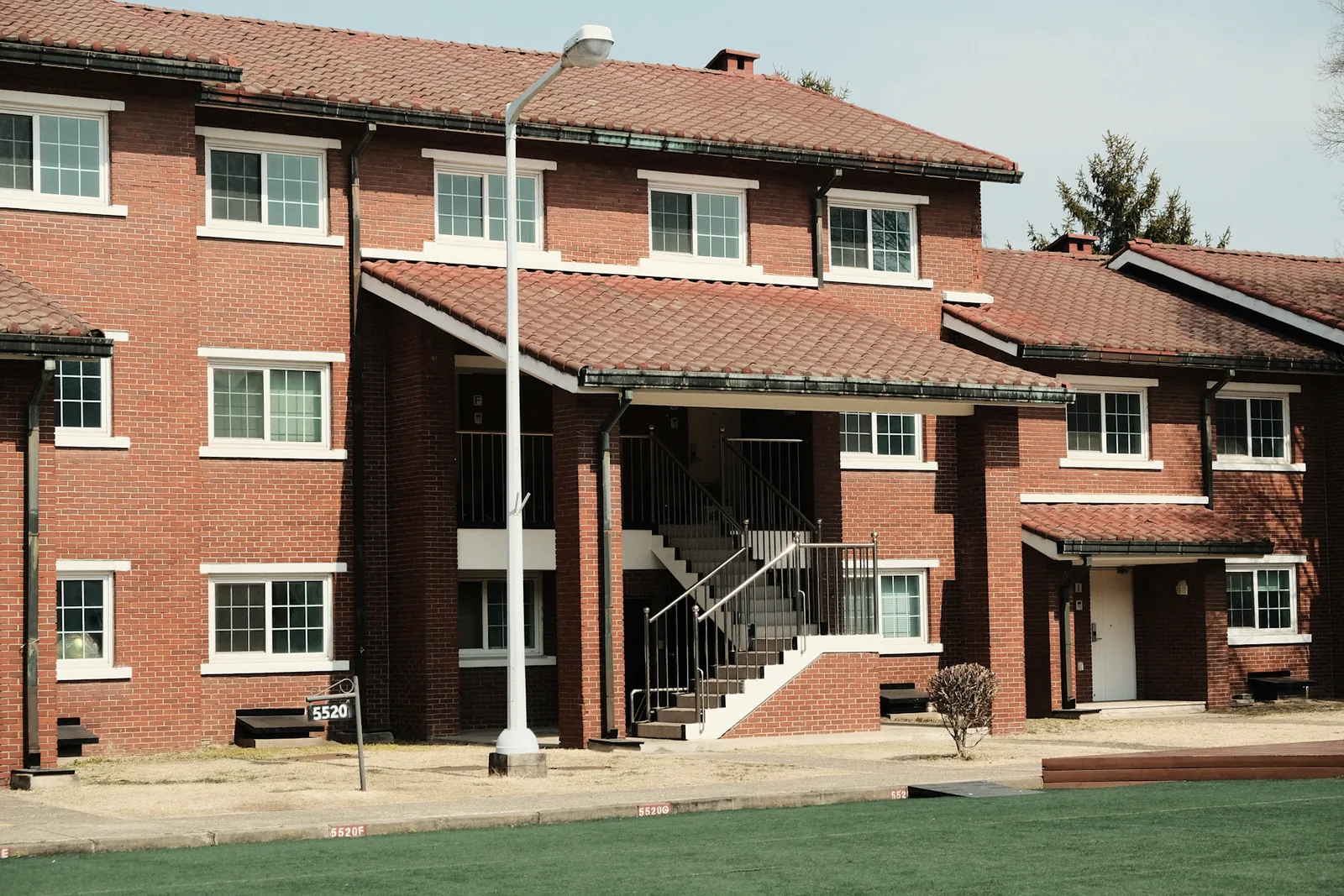
Arrange the inspection and establish possession
Confirm the move-out arrangements and whether the tenancy and occupation have actually ended. A scheduled departure or a set of returned keys may need context; do not assume a disputed possession situation is resolved.
Before the tenant leaves, follow the applicable entry rules. Invite the tenant to attend a condition walk-through when practical, but do not invent a mandatory Ontario joint-inspection procedure.
Before taking interior photographs of an occupied rental unit, explain the purpose, intended use and disclosure, and obtain the tenant’s consent. A valid entry notice is not consent to photograph personal information. Any claimed statutory exception requires a specific legal basis. If occupation has ended but personal belongings or documents remain, assess the remaining personal information before taking images. Record date, participants, areas inspected and any limitations. If belongings remain, use the rules that apply to the way the tenancy ended; an inspection is not permission to discard them.
Compare condition and hear the tenant’s explanation
Review move-in records, maintenance history and relevant photographs. If there is no move-in report, identify the gap and consider other evidence rather than saying no claim can ever be supported.
Distinguish ordinary wear from wilful or negligent damage on the facts. Age, prior condition, extent, cause and use matter. Do not use a rigid list that automatically makes every nail hole normal or every wall mark chargeable.
Record the tenant’s comments, including disagreement. A signature can acknowledge a record but does not waive rights or decide liability. Obtain appropriate assessment where technical cause is uncertain.
Reconcile the accounts and choose the right next step
Apply the rent deposit to the final rent period and account for any deposit interest. Handle returned keys and any permitted refundable key deposit separately. Neither photographs nor invoices allow repair deductions from the rent deposit.
If claiming damage, identify the item, necessary work and supported amount. Separate estimates from completed-work invoices and explain any age or prior-condition adjustment. Send a clear breakdown rather than an unexplained total.
L10 is the relevant route for qualifying former-tenant claims and must be filed no later than one year after move-out. L2 can address qualifying damage while the tenant remains. Follow the correct application, service and evidence instructions; “within a reasonable time” is not a substitute for a filing deadline.
Key Takeaways
- An inspection does not create a damage-deduction right.
- Compare all available history and record disputed facts.
- Qualifying former-tenant damage claims use L10 within its deadline.
- Discuss the scope of management support: contact D&D Property Management.
Sources & References
- LTB: Guide to the Residential Tenancies Act
- LTB Guideline 19: Entry to a rental unit
- LTB: Property left behind, including a tenant’s death
- LTB: L10 instructions
- LTB: L2 instructions
- LTB: T1 application instructions
- LTB: Practice Direction on Evidence
- Ontario Regulation 516/06: Permitted charges
Official guidance checked September 8, 2026. The application steps in this article are practical record-keeping suggestions; individual legal disputes require advice on their facts.

Include a preferred date and time
Discuss property management
Describe the property type and the management responsibilities you want to discuss.
Prefer to send the details first? Request a quote or call (519) 501-5003.